


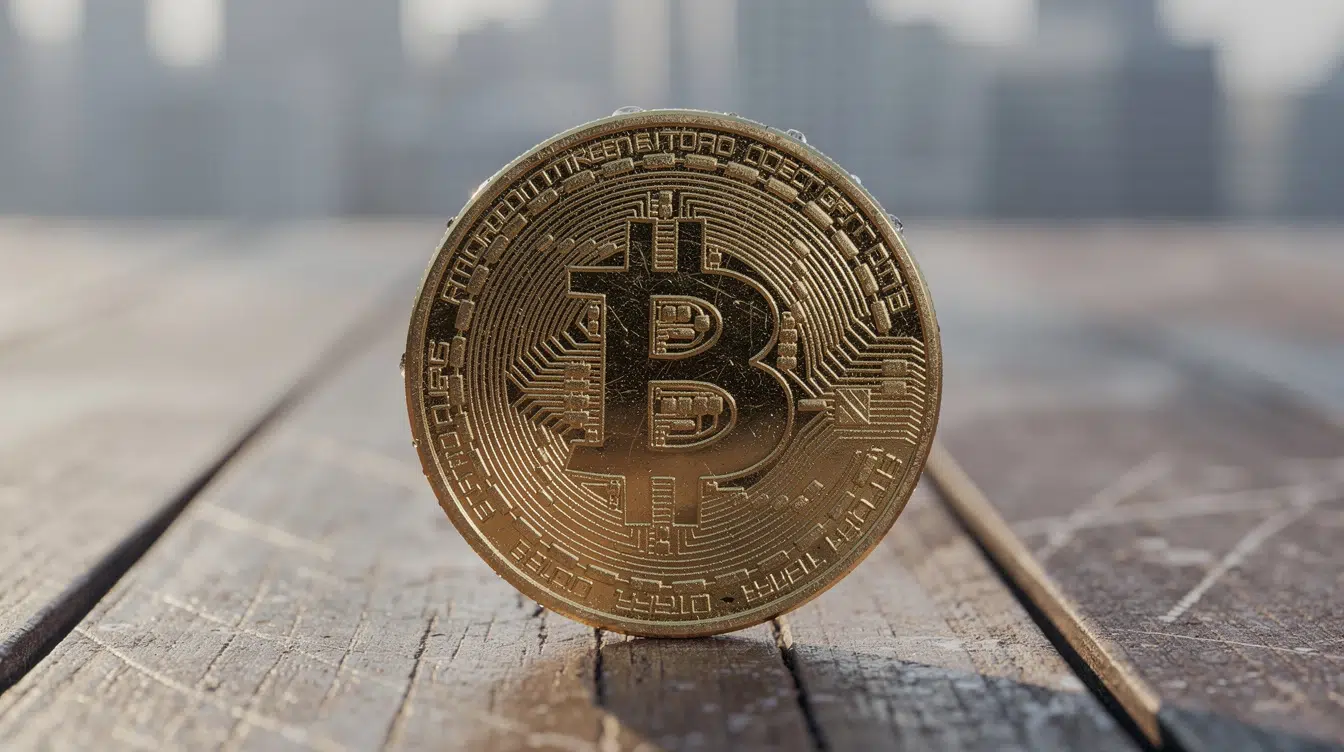
In recent years, the relationship between bitcoin and global macroeconomic events has evolved significantly. While it was once primarily influenced by shifts in U.S. monetary policy, bitcoin now demonstrates increasing maturity in the face of international volatility. Recent developments—especially escalating tensions in the Middle East and fluctuating oil prices—have renewed debates about the role of digital assets within investment portfolios. This analysis explores how these factors impact bitcoin’s positioning, examines shifting investor attention, and considers the broader implications for the crypto ecosystem.
For traders seeking to navigate these changing conditions, crypto trading platforms like Sumo Tradings provide AI-driven market analysis and structured trading signals designed to help interpret volatility and identify opportunities across the crypto market.
Geopolitical catalysts behind bitcoin’s renewed strength
The latest surge in geopolitical tensions, particularly involving countries like Iran, has brought non-traditional assets back into focus. Notably, while equity markets experienced marked declines and gold showed little movement, bitcoin advanced nearly 10% during this period. This stands in contrast to previous crises, where major cryptocurrencies typically suffered aggressive sell-offs.
This behavioral change highlights an evolving perception among sophisticated market participants. Rather than viewing bitcoin solely as a speculative risk-on asset, it is increasingly seen—at least in part—as a store of value when uncertainty clouds the global economic landscape. The drop in leverage ratios observed in October 2025—from 33% to 25%—further points to a technically healthier and less exposed market.
- Bitcoin up nearly 10% post-escalation, defying past crisis reactions
- Major stock indices down, highlighting divergent paths
- Gold remains rangebound, pointing to subdued safe-haven flows
Macroeconomic headwinds set a complex backdrop
The current macro context presents a challenging environment for all asset classes. In the United States, anticipated positive job numbers were replaced by disappointing data—employment figures missed forecasts by roughly 150,000 positions. Despite this setback, financial markets responded with relative calmness, suggesting that investors may be shifting their focus from traditional economic indicators to external shocks such as energy price inflation.
Since the onset of geopolitical instability, retail gasoline prices have surged approximately 25%. This rapid rise directly impacts expectations for near-term inflation, reducing the probability of interest rate cuts by the Federal Reserve. As reflected in prediction market data, sentiment now projects only a 20% chance of monetary easing in the coming months—the lowest confidence registered during this cycle.
Institutional perspectives on bitcoin during volatile periods
Persistent inflows signal changing attitudes
Institutional allocations toward digital assets are demonstrating underlying conviction, especially during periods marked by geopolitical instability. Over three weeks, cryptocurrency-focused investment vehicles attracted net inflows totaling about $1.4 billion. Such continued engagement amid potential turmoil signals not just speculative interest but also strategic positioning for portfolio protection and diversification.
This influx aligns more closely with the logic of a hedge or “safe haven”—a role traditionally reserved for gold and select government bonds—than with the opportunistic trading typical of exuberant cycles. If this pattern continues through future unrest, it could further cement bitcoin’s reputation as a credible counter-cyclical allocation for institutions.
Decoupling from risk assets and monetary dependency
Historically, digital assets were often grouped with high-growth equities, reinforcing the risk-on/risk-off narrative. Today, signs of decoupling are emerging. Bitcoin’s upward momentum, even as stock indices decline, suggests that traditional correlations are weakening under certain conditions. This divergence supports the view that bitcoin is operating more independently from fiat-driven cycles, gaining appeal among cautious allocators adapting to structural changes in the global economy.
Energy-induced inflation adds complexity to this narrative. Central banks face limited options as rising commodity costs ripple through economies, amplifying bitcoin’s advantages as a non-sovereign asset with finite supply.
Technical perspective: market health and trend change
From a technical analysis standpoint, monitored metrics provide additional insights into bitcoin’s resilience. The overall decline in leverage indicates a less speculative environment, which reduces vulnerability to sharp liquidations during panic phases. Simultaneously, key momentum indicators—such as MACD turning negative but remaining above signal lines—suggest ongoing flux and the potential for trend reversals rather than disorderly capitulation.
This balanced setup limits downside risk and attracts systematic traders who prioritize well-defined setups over emotional decisions. Coupled with measured institutional participation, these factors foster greater price stability, even amid headline-driven uncertainty.
- Lower leverage reduces vulnerability to sharp declines
- Momentum signals point to consolidation and opportunity for disciplined traders
The road ahead amid sustained unrest
Bitcoin’s case as a safe-haven asset
As headline risks persist across regions, questions arise regarding the durability of bitcoin’s newfound resilience. Sustained inflows from institutional channels, along with signs of decoupling from broad equities, present a strong argument for bitcoin’s utility as an alternative store of value.
If energy markets remain unstable and central banks refrain from stimulus, capital may continue to gravitate toward uncorrelated exposures like bitcoin. Conversely, if inflation moderates or geopolitical pressures ease, some retracement or sideways movement is likely as speculative positions unwind.
Longer-term market implications and competitive alternatives
The evolution of bitcoin’s status is prompting a reevaluation of other assets traditionally viewed as hedges. If bitcoin’s credibility continues to grow, global investors may reconsider allocations not only in gold but also in fiat currencies potentially vulnerable to debasement. Debate continues around whether future competitors—such as a gold-backed yuan—could disrupt current power structures, but for now, bitcoin maintains momentum as an efficient vehicle for cross-border wealth preservation.
Ultimately, the combination of actionable technical setups and responsive institutional demand creates an environment where bitcoin becomes increasingly integral to diversified, forward-looking strategies. The path ahead will depend on both exogenous risks and the ability of market participants to adapt to a rapidly shifting landscape.